
Tensile strength is not the same as hardness.
In mining, wear and tear is an ever-present companion in every stage of the process. Whether it’s the drill rig, loader, haul truck, crusher, grinding mill, or even a humble chute, rock is relentlessly gnawing away at equipment, one particle at a time. Each type of rock brings its own personality to the fight: hardness, abrasiveness, crystal structure. Each factor shaping how it eats into surfaces.
To keep high-value machinery from being consumed itself, it is shielded with wear parts. Rubber, polyurethane, metals, ceramics, carbides; each material has its rightful place in the lineup. As wear parts represent a significant slice of a mine’s operating expenditure, they tend to attract considerable attention. Not just from maintenance teams, but equally from procurement. Both functions play vital roles, and at their best, their expertise interlocks seamlessly. But every now and then, their objectives clash.
At one mine, a buyer was strongly advised to seek cost savings. Driven and goal-oriented, this buyer set to work with gusto. As a scheduled shutdown approached, the maintenance team began preparing for the ordeal ahead: defining the scope, identifying required parts, and securing the necessary contractors. Inventory levels were checked, and missing components were duly routed through procurement for ordering.
A few months later, the ambitious buyer approached a maintenance engineer practically buzzing with excitement. They had discovered a new supplier offering wear plate fastening bolts at a fraction of the previous cost. Whether the thrill came from the promise of a hefty bonus or genuine enthusiasm for the new vendor remained unclear, but the excitement was unmistakable.
The maintenance engineer, however, was equally stirred, but for very different reasons. Sensing something amiss, they scheduled a review to examine the specifications of these new bolts. It proved to be a wise move. The buyer had, quite unintentionally, swapped a hard bolt for a merely strong one.
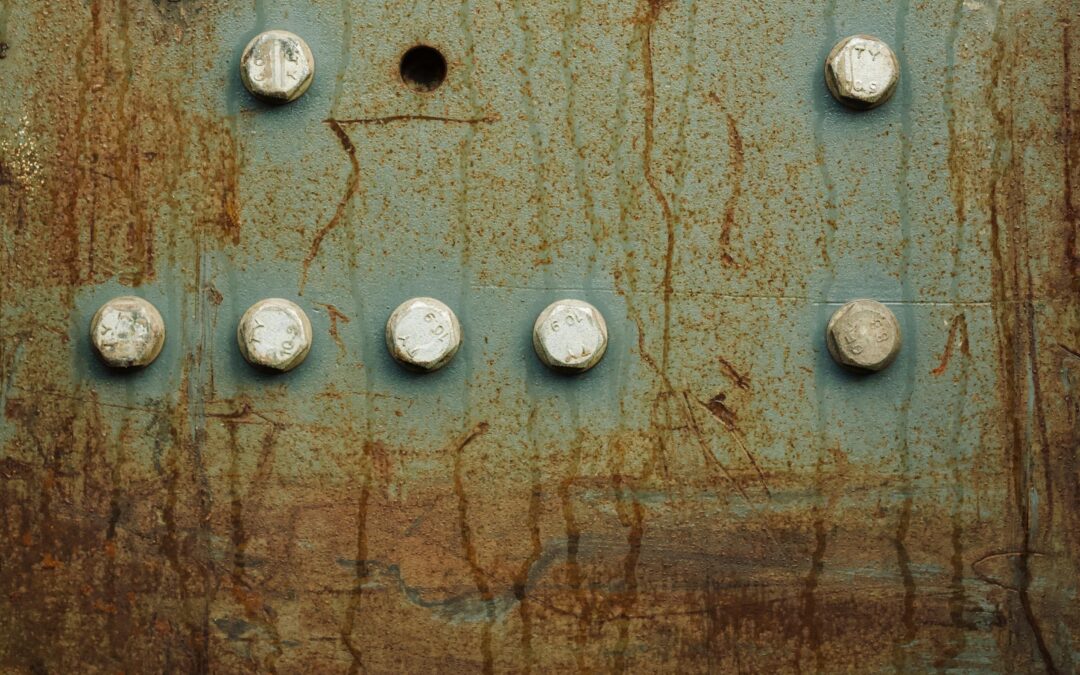
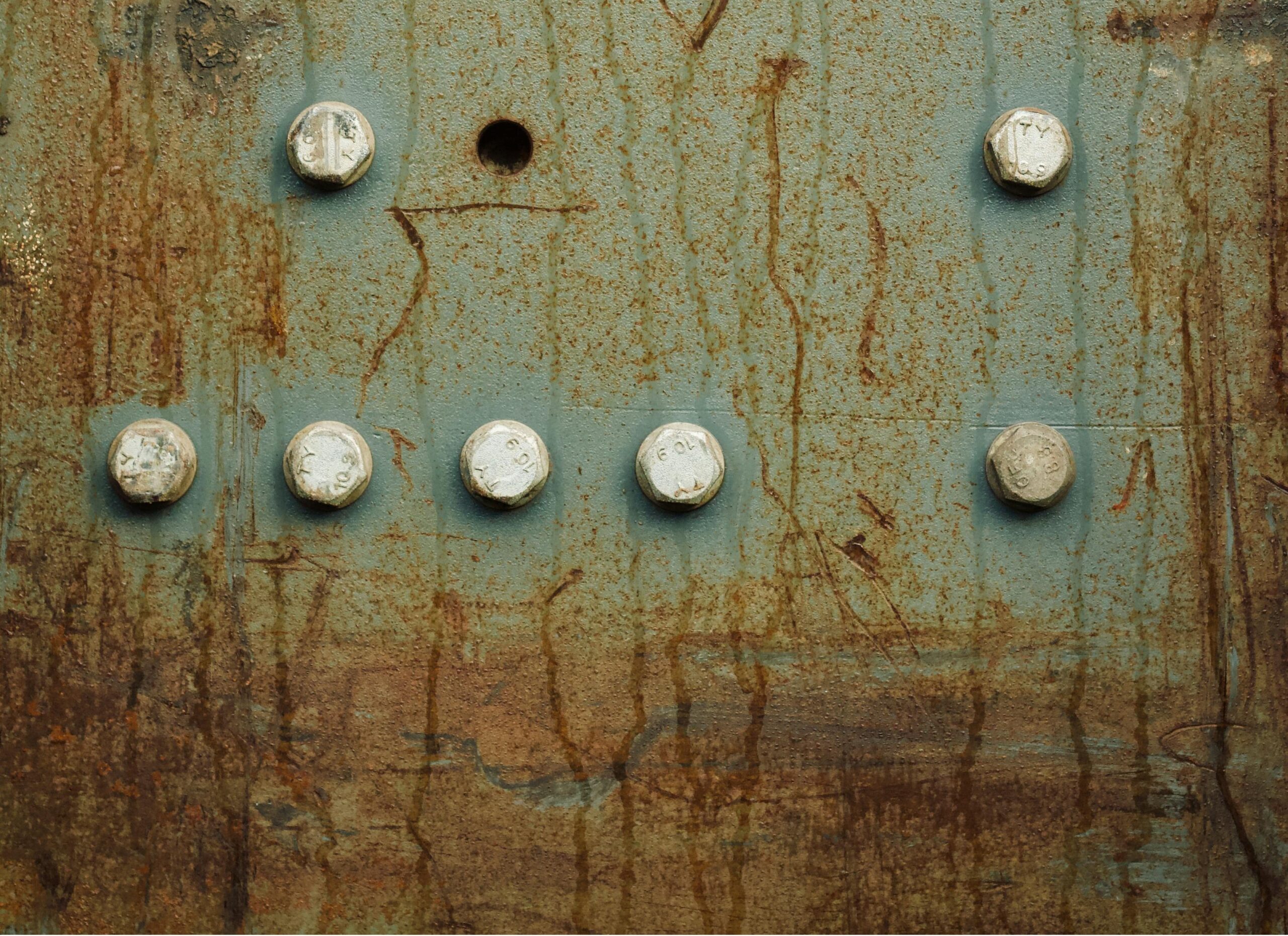
Instead of the specified bolt head hardness of at least 690 HV, the new supplier had offered a standard 10.9 strength class bolt in place of the previously used 8.8. Stronger in tensile terms, yes, but not sufficiently hard for the application. And as any seasoned professional knows, a wear plate is only as reliable as its weakest link. In this case, the mismatch would have led swiftly to an unplanned shutdown.
Some sources suggest that an unplanned shutdown can cost at least three times as much as a planned one. And beyond the price tag, there’s the sting to professional pride: few things are more embarrassing than bringing a freshly serviced plant to a halt again over something as trivial as a bit of spillage. Even worse if the whole episode traces back to saving just a couple dollars.
This time, curiosity and a healthy dose of skepticism saved the day.